Potion Craft Tips & Guide: The Complete Beginner to Master Alchemist Handbook
Introduction
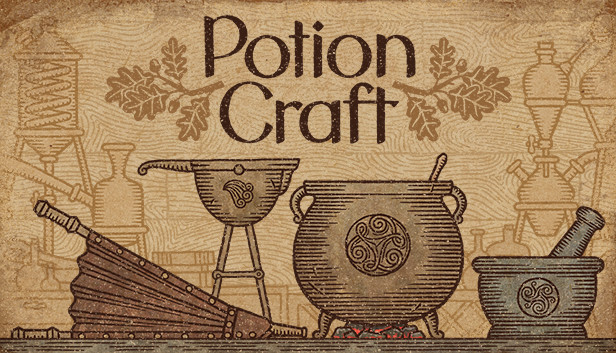
Potion Craft is an alchemy simulation game that turns potion making into an exploration puzzle. Instead of simply selecting ingredients from a recipe list, you physically navigate an alchemy map by combining herbs, mushrooms, roots, and other materials to discover different potion effects. At the same time, you must manage customers, negotiate prices, grow your ingredient supply, and improve your alchemist's workshop.
The game's relaxed presentation can make it appear simple, but efficient potion crafting requires careful planning. Ingredients have different movement properties, potion strength matters, and some customers request unusual effects that require creative solutions. Understanding the alchemy map is therefore much more important than memorizing recipes.
This guide covers the essential techniques for progressing from a beginner with basic ingredients to an experienced alchemist capable of creating powerful and profitable potions.
1. Learn How the Alchemy Map Works
The alchemy map is the foundation of Potion Craft.
Every ingredient moves the potion marker in a particular direction when added to the cauldron. Some ingredients move horizontally, vertically, or diagonally, while others can help you approach specific potion effects.
Basic Map Principles
- Study ingredient movement directions.
- Watch the potion's distance from an effect.
- Use water to reposition the potion.
- Grind ingredients when precision matters.
Why the Map Matters
Once you understand movement, potion creation becomes much more predictable.
Instead of randomly adding ingredients, you can plan a route toward the effect you want.
2. Start With Simple Potions
Trying to create advanced combinations immediately can waste valuable ingredients.
During the early game, focus on learning the map and discovering basic effects.
Good Beginner Goals
- Healing.
- Poison.
- Fire.
- Frost.
- Speed.
- Strength.
Each discovery teaches you something about ingredient movement and potion placement.
Experiment Carefully
Keep track of successful combinations.
Once you understand which ingredients move the potion toward a specific effect, future recipes become much easier to reproduce.

3. Use Ingredient Grinding Efficiently
Grinding ingredients increases their movement distance.
This makes the mortar one of the most important tools for precise potion creation.
When to Grind
Use grinding when:
- You need extra movement.
- You want to avoid unnecessary ingredients.
- You are approaching an effect carefully.
- You want to reduce the number of ingredients consumed.
Common Mistake
Don't automatically grind everything.
Sometimes a whole ingredient provides exactly the movement you need, making grinding unnecessary.
Efficient alchemy means using the minimum ingredients required to reach your goal.
4. Pay Attention to Potion Quality
Reaching an effect isn't always enough.
Potion quality can change how valuable a finished product is, so positioning and ingredient choices matter.
Quality Considerations
- Distance from the center of an effect.
- Ingredient efficiency.
- Potion strength.
- Number of effects.
Why Quality Matters
Higher-quality potions generally provide better value and can satisfy customers more effectively.
When you have enough ingredients, aim for strong results rather than simply reaching the effect.
5. Manage Your Ingredient Supply
Ingredients are the foundation of your business.
Even the best alchemist cannot create profitable potions without sufficient materials.
Reliable Ingredient Sources
- Gardening.
- Foraging.
- Merchant purchases.
- Exploration.
- Random encounters.
Resource Management Tips
Always keep a reserve of common ingredients.
Don't spend rare materials on low-value potions when cheaper alternatives are available.
A well-managed ingredient supply allows you to respond to unusual customer requests.
6. Understand Customer Requests
Customers arrive with different needs, and their requests often provide clues about the potion they want.
Instead of thinking only about the exact wording, consider the desired effect.
Customer Strategy
Listen carefully to:
- The problem they describe.
- The effect they request.
- Their willingness to pay.
- Potential alternative solutions.
Negotiation Tips
If you're confident in your potion's quality, consider negotiating for a better price.
However, excessive negotiation can cause customers to leave.
Balance profit with customer satisfaction.
7. Use the Garden to Support Your Business
Growing your own ingredients is one of the easiest ways to reduce dependence on merchants.
The garden can provide a steady supply of useful materials as your alchemy business expands.
Gardening Priorities
Grow ingredients that:
- Are frequently used.
- Are expensive to purchase.
- Provide useful movement patterns.
- Support popular potion types.
Plan Ahead
Don't wait until you run out of an important ingredient before planting it.
A consistent garden reduces interruptions during busy trading days.

8. Upgrade Your Workshop Strategically
Workshop upgrades improve your ability to experiment and produce advanced potions.
However, not every upgrade needs to be purchased immediately.
Upgrade Priorities
- Alchemy equipment.
- Ingredient storage.
- Useful crafting tools.
- Garden improvements.
Why Upgrades Matter
Better equipment allows you to create more complicated potions while reducing the resources needed for experimentation.
Reinvesting profits into your workshop creates long-term growth.
9. Create a Profitable Potion Collection
As your reputation grows, customers begin requesting more specialized effects.
At this stage, having a collection of reliable recipes becomes extremely useful.
Maintain a Recipe Library
Keep notes on:
- Ingredients.
- Movement directions.
- Required quantities.
- Potion quality.
- Alternative ingredients.
Build a Flexible Collection
Don't specialize in only one effect.
Maintain several reliable recipes so you can handle a wide range of customer requests without wasting time.
10. Master Advanced Alchemy
The later stages of Potion Craft are about efficiency, experimentation, and maximizing the value of every ingredient.
By now, you should understand how to navigate the map rather than relying on trial and error.
Advanced Strategies
Plan Routes Before Brewing
Visualize your path to the desired effect before adding ingredients.
Use Cheap Ingredients First
Save rare materials for situations where cheaper alternatives cannot reach the effect.
Create Multi-Effect Potions
Combining useful effects can increase the value of your products.
Maintain Ingredient Reserves
Never completely exhaust important materials.
Experiment With Alternative Paths
Two different ingredient combinations can often reach the same effect.
Finding the cheapest route can significantly increase your profit margin.
Conclusion
Potion Craft transforms alchemy into a satisfying combination of exploration, resource management, business strategy, and puzzle solving. The most important skill isn't memorizing every potion recipe but understanding how ingredients move across the alchemy map and using that knowledge to create efficient routes.
By learning basic movement patterns, grinding ingredients carefully, managing your resources, listening to customer requests, growing your own materials, and upgrading your workshop strategically, you'll gradually become a much more efficient alchemist. As your knowledge of the map expands, you'll spend less time experimenting blindly and more time deliberately designing profitable potions.
Whether you're trying to satisfy difficult customers, discover every effect, or simply create the most valuable potions possible, a methodical approach will make your alchemy business far more successful.
Description (160 characters):
Complete Potion Craft guide covering alchemy maps, ingredients, potion quality, customer requests, gardening, workshop upgrades, recipes, and advanced brewing.