


Introduction
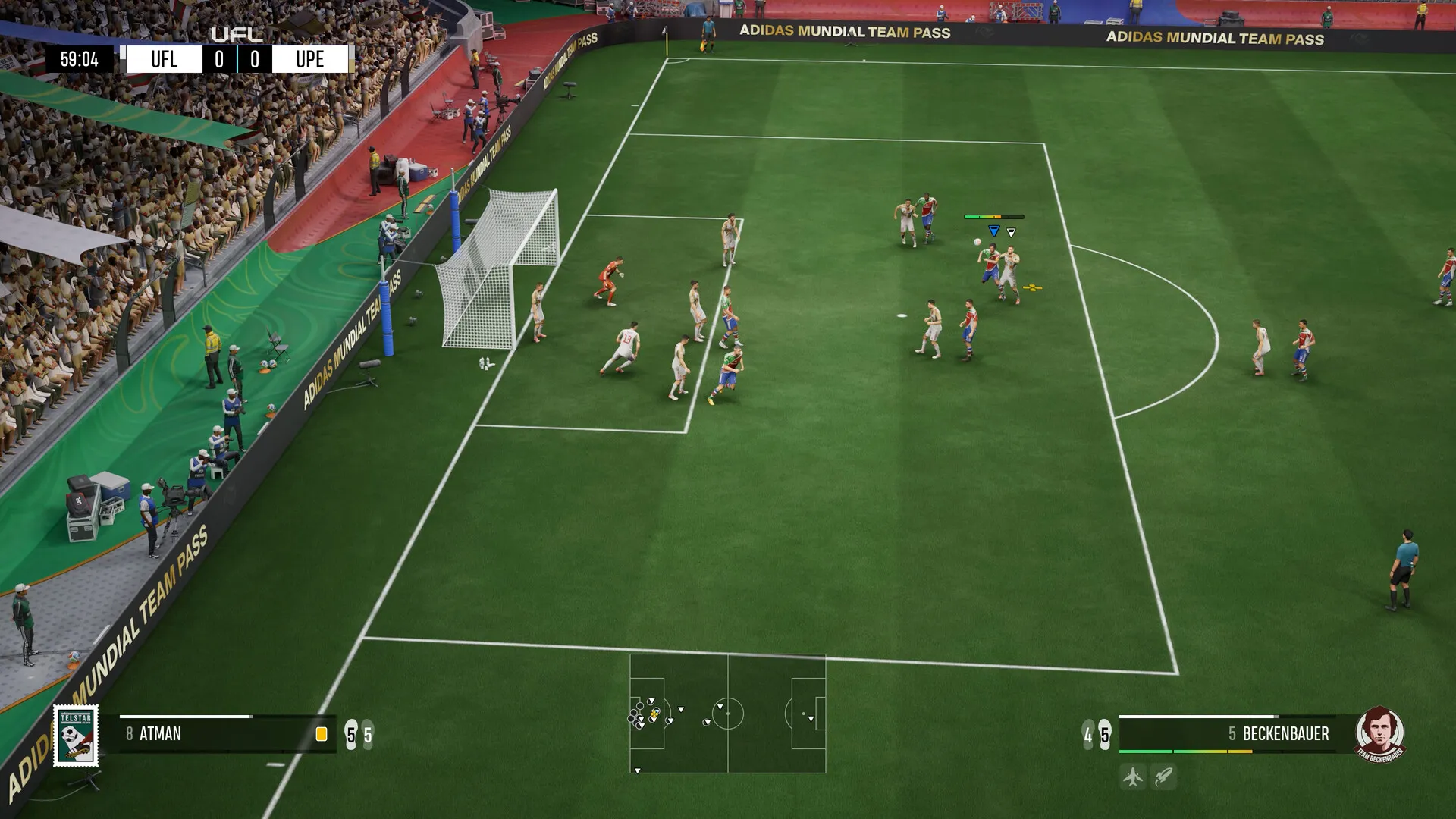
UFL™ (Ultimate Football League) is a realistic football (soccer) simulation game that combines team management, strategy, and live matches. Players build their own club, recruit and train footballers, and compete in leagues and tournaments against AI or other players. Unlike casual sports games, UFL™ emphasizes tactical depth, player attributes, and match strategy, making both management and in-game decisions critical for success.
This guide covers early-game strategies, team building, match tactics, training, scouting, resource management, and long-term club development for both casual and competitive players.
Understanding the Core Gameplay Loop
UFL™ revolves around building a club, training players, and competing in matches.
Core loop:
- Recruit and train footballers with different skills
- Set formations and tactics for upcoming matches
- Participate in league matches and tournaments
- Earn rewards and currency to upgrade facilities and players
- Adjust strategies based on opponent analysis
Success depends on balancing training, team composition, and tactical execution in matches.
Early Game Priorities
Early-game focus is on establishing a balanced team and completing introductory competitions.
Early priorities:
- Recruit versatile players to cover multiple positions
- Train key players to improve essential stats
- Participate in beginner tournaments to earn rewards
- Manage contracts and budget efficiently
Establishing a strong foundation early ensures smoother progression in mid-tier competitions.
Player Attributes and Team Composition
Understanding player strengths and weaknesses is crucial.
Key tips:
- Focus on balanced positions: attackers, midfielders, defenders, and goalkeeper
- Consider player chemistry for better in-game coordination
- Upgrade key players first to maximize match impact
- Rotate squad to maintain fitness and avoid injuries
A well-composed team increases match success and long-term progression.
Match Tactics and Formation
Match tactics can determine the outcome more than individual player skill.
Tactical tips:
- Adjust formations based on opponent strengths and weaknesses
- Focus on controlling possession to dictate match pace
- Use player-specific skills strategically, such as dribbling or shooting
- Set defensive tactics to prevent counter-attacks
Understanding tactical flexibility allows better adaptation during live matches.
Training and Skill Development
Training improves player performance and unlocks potential.
Training strategies:
- Focus on key stats for each position
- Balance training intensity to avoid fatigue or injury
- Upgrade training facilities for faster skill progression
- Use specialized sessions to develop rare skills
Effective training ensures the team stays competitive at higher levels.
Scouting and Recruitment
Recruiting the right players is vital for long-term success.
Scouting tips:
- Monitor youth academies for emerging talent
- Evaluate stats and potential before signing
- Balance high-value and budget-friendly players
- Look for players that fit team strategy and style
Smart recruitment strengthens team depth and ensures sustained success.

Resource Management and Club Upgrades
Managing finances and resources impacts club growth.
Management tips:
- Allocate currency efficiently between training, recruitment, and upgrades
- Upgrade stadium, facilities, and staff for better performance
- Monitor income from matches and sponsorships
- Avoid overspending on short-term goals
Resource efficiency ensures long-term club stability and growth.
Mid-Game Strategies
Mid-game challenges include tougher leagues, tournaments, and stronger opponents.
Mid-game strategies:
- Refine tactics based on opponent analysis
- Rotate squad to maintain peak performance
- Participate in special events for additional rewards
- Expand training and scouting to unlock hidden talent
Balancing competitive play with club development is key to mid-game progression.
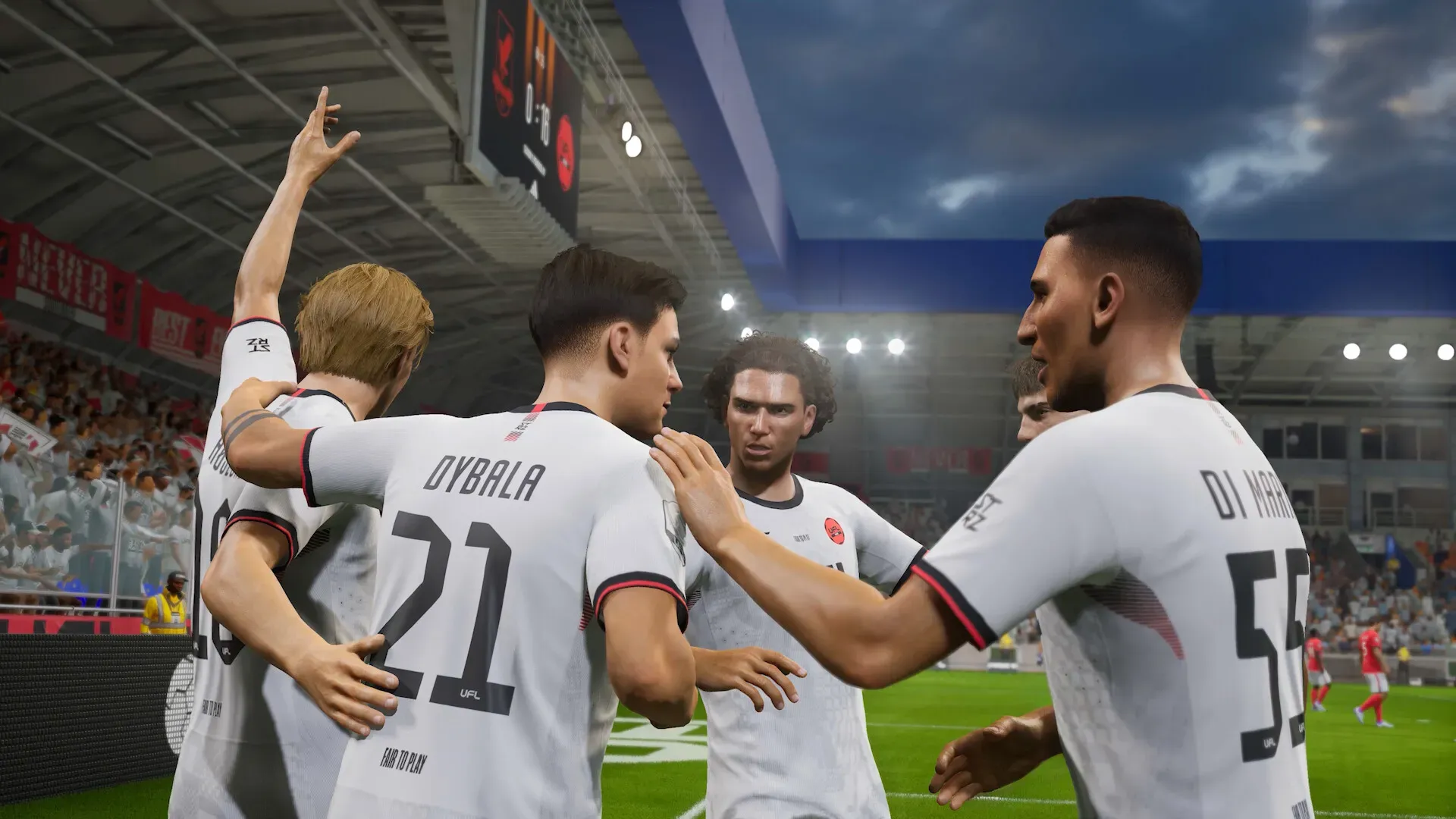
Late-Game Optimization
Late-game focuses on high-level competition, elite players, and club legacy.
Optimization tips:
- Maximize player potential through advanced training
- Build a squad with multiple star players in each position
- Participate in top-tier tournaments for high rewards
- Upgrade every facility for peak performance
Endgame mastery ensures your club dominates leagues and becomes a top-tier team.
Conclusion
UFL™ offers a deep football simulation experience combining management and tactical gameplay. Success requires smart recruitment, strategic training, flexible tactics, and efficient resource management. Players who balance team growth with in-match decision-making can compete successfully in leagues and tournaments, enjoying the full depth of football strategy.
Long-term success rewards planning, adaptability, and tactical insight, making UFL™ both engaging and challenging for football enthusiasts.
160-Character Summary
UFL™ combines football management and match strategy; smart recruitment, training, and tactics are key to dominating leagues and tournaments.