




The Jackbox Party Pack 11 continues a long-running tradition of transforming everyday social interaction into structured play. On the surface, it appears to be another collection of party games designed for laughter, improvisation, and accessibility. However, extended play reveals a deeper design shift. Rather than focusing purely on humor or trivia, Jackbox Party Pack 11 increasingly centers its mechanics around social pressure: who speaks, who stays silent, who performs, and who judges. This article explores how the pack’s asymmetric participation systems and audience mechanics subtly reshape player expression, group dynamics, and emotional risk in shared play spaces.
1. The Opening Lobby and the Performance Contract
Before any game begins, Jackbox establishes a social contract.
Players join knowing they will be watched, judged, and often compared. This expectation creates mild tension even before gameplay mechanics appear.
The lobby functions as a psychological threshold, preparing players for performative vulnerability rather than competitive mastery.
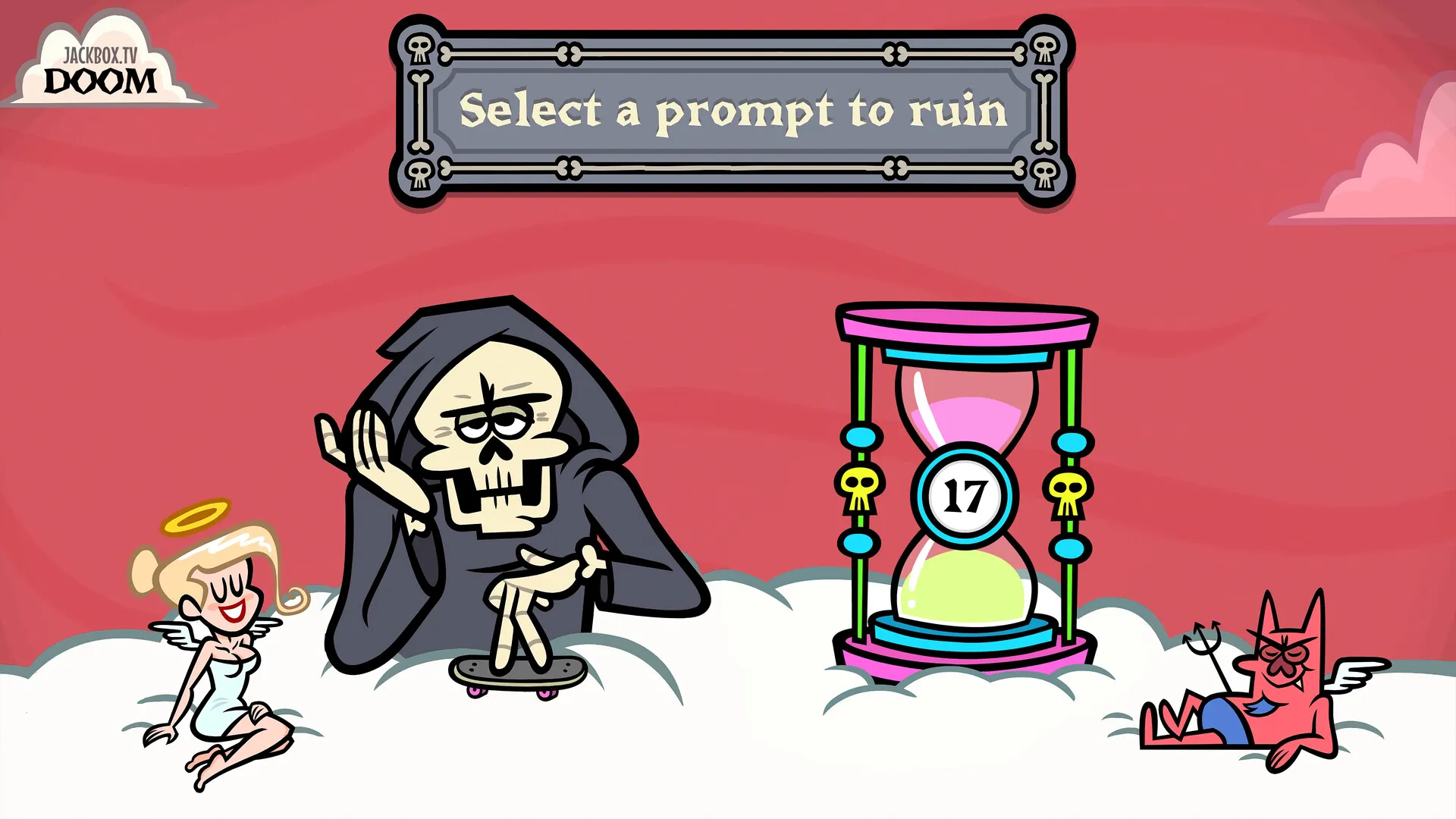
2. Asymmetric Participation as a Core Design Pillar
Not all players are asked to contribute equally at all times.
Some games prioritize a small number of active performers while others observe, react, or vote.
Unequal visibility
This asymmetry reduces mechanical complexity but amplifies emotional exposure for selected players.
3. Writing Prompts and the Risk of Public Expression
Text-based prompts demand spontaneous creativity.
Unlike skill-based challenges, success depends on cultural context, timing, and audience interpretation.
Failure without feedback
Poor responses receive immediate social judgment without actionable learning, reinforcing emotional stakes.
4. Audience Voting as Invisible Power
Audience members influence outcomes without being fully accountable.
Votes shape winners, losers, and narrative direction while shielding voters from scrutiny.
This imbalance introduces a silent hierarchy that affects how players perform.
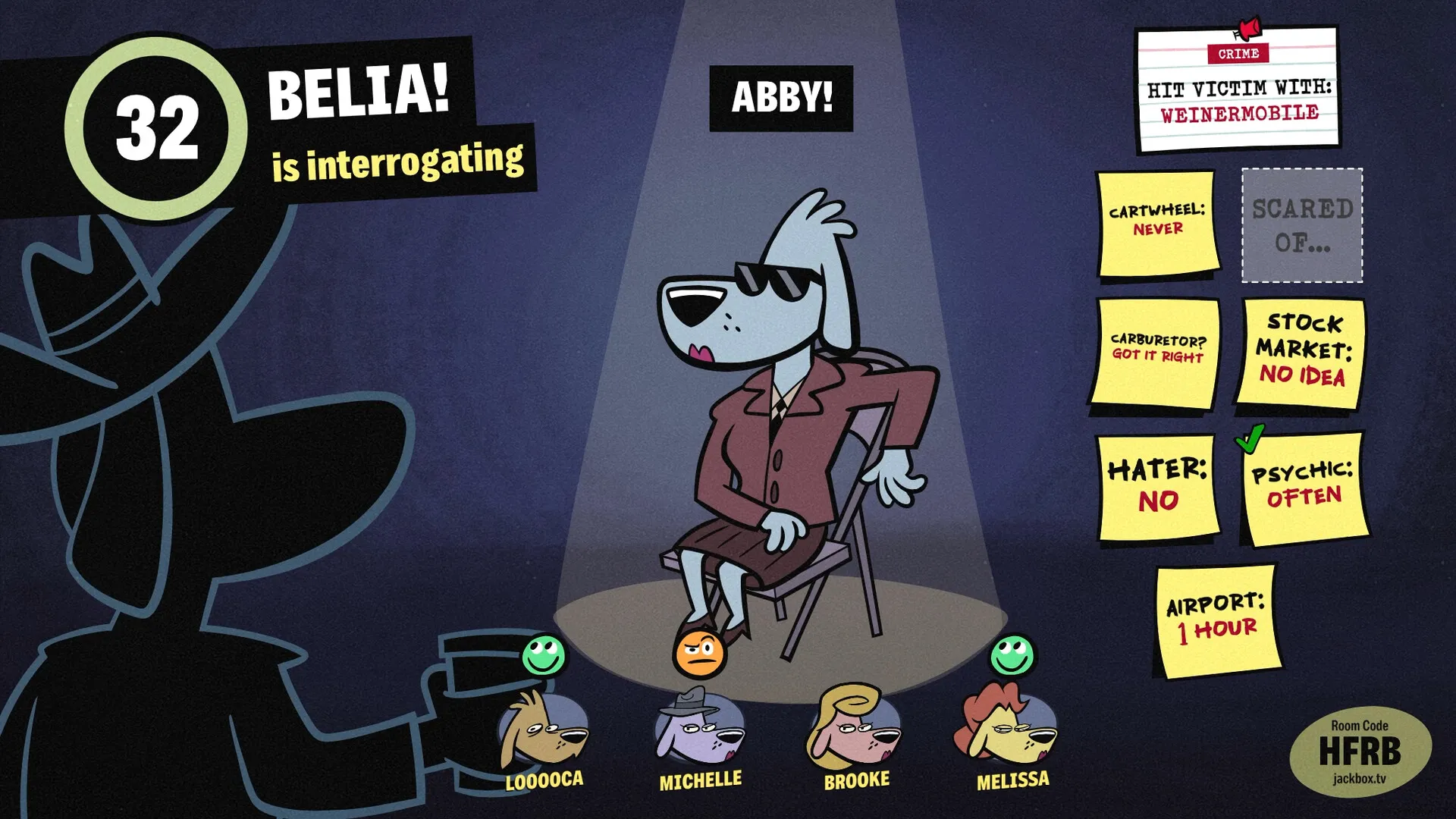
5. Humor as a Defensive Mechanism
Players often default to absurdity or self-deprecation.
These strategies reduce perceived risk but also homogenize responses across sessions.
Safe laughter
The design indirectly encourages familiar humor patterns, narrowing expressive range despite creative freedom.
6. Time Pressure and Cognitive Exposure
Short timers force immediate responses.
This minimizes overthinking but increases vulnerability, especially for players uncomfortable with improvisation.
Compressed identity
Players reveal instinctive humor styles, making personality exposure unavoidable.
7. Group Dynamics and Social Memory
Jackbox sessions rarely reset socially.
Past wins, embarrassing moments, and inside jokes carry over between games.
This accumulated memory influences future participation, altering confidence and willingness to take risks.
8. Accessibility Versus Emotional Safety
Jackbox emphasizes ease of entry.
However, accessibility to controls does not equate to emotional accessibility.
Participation fatigue
Players may withdraw mentally while remaining mechanically present, creating uneven engagement.
9. The Role of Hosts and Informal Moderation
Groups often self-regulate behavior.
Hosts informally manage tone, inclusivity, and pacing without explicit tools.
Social scaffolding
Successful sessions rely on human moderation more than system enforcement.
10. Why the Pack Still Works Despite the Pressure
Despite emotional risk, players return.
The games transform social anxiety into shared vulnerability, creating bonding through exposure.
This balance between discomfort and laughter defines the pack’s enduring appeal.
Conclusion
The Jackbox Party Pack 11 is less about winning and more about navigating social pressure. Through asymmetric participation, audience power, and performative mechanics, it transforms group dynamics into the primary gameplay system. By designing around expression rather than skill, Jackbox captures the fragile, unpredictable nature of human interaction. The result is a party experience that thrives not on mechanics alone, but on the courage of players willing to be seen, judged, and heard.