




Grim Dawn is a dark action RPG that rewards knowledge, experimentation, and long-term planning. Set in the grim, war-torn world of Cairn, the game offers deep character customization through its dual-class mastery system, complex itemization, and layered combat mechanics. Unlike more streamlined ARPGs, Grim Dawn expects players to engage with its systems thoughtfully.
This guide is designed to take players from early survival to endgame mastery. Organized chronologically and logically, it focuses on practical tips that help you avoid common mistakes, optimize builds, and fully enjoy Grim Dawn’s depth without unnecessary frustration.
1. Understanding Grim Dawn’s Core Mechanics
The Dual-Class Mastery System
Grim Dawn allows players to combine two masteries into a single character, creating a vast range of build possibilities. This system defines your skills, damage types, and overall playstyle.
Choosing a second mastery too early without understanding synergy can weaken your build. It is often better to invest in one mastery first before committing to the second.
Damage Types and Resistances
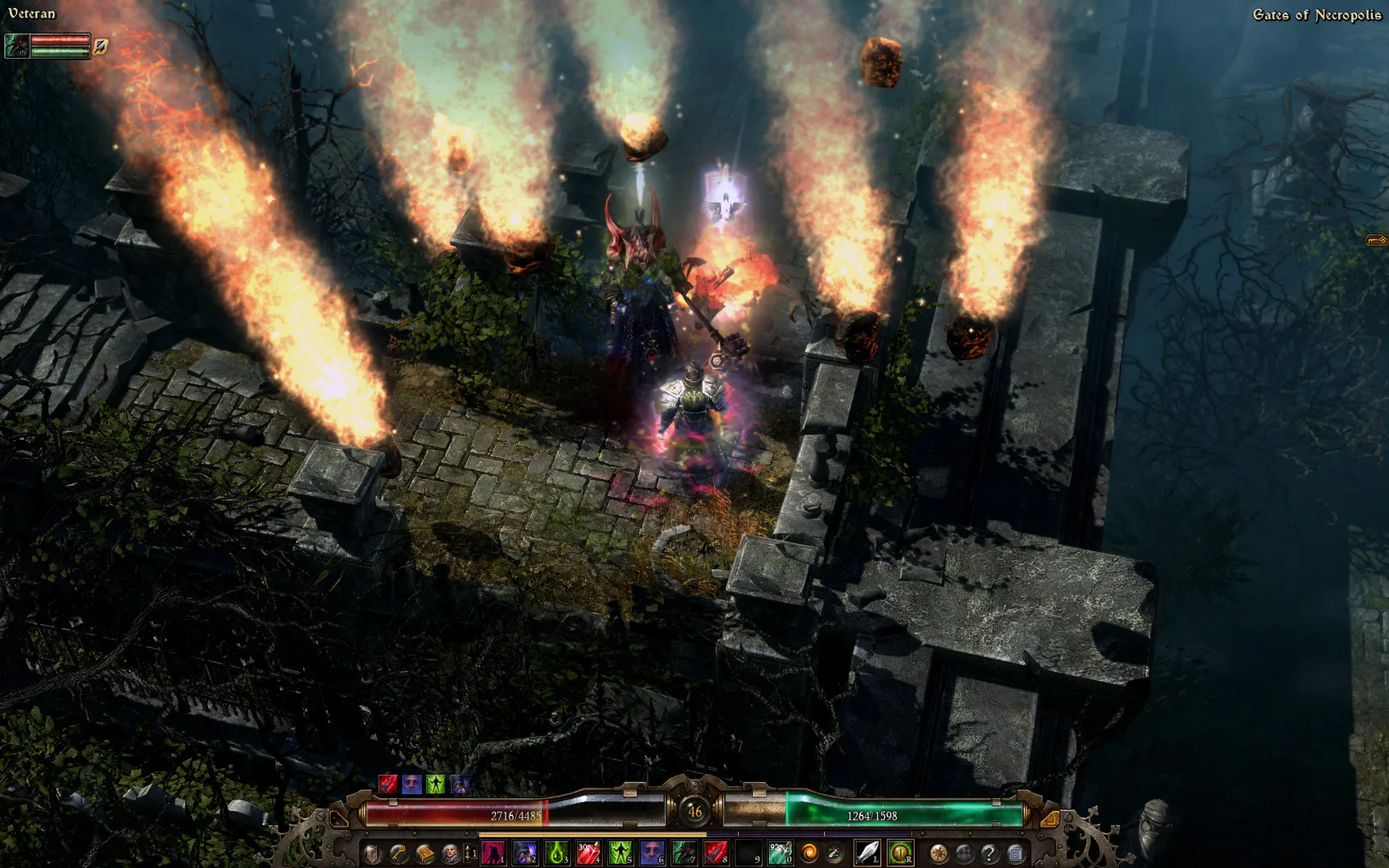
Damage types are central to Grim Dawn’s balance. Physical, fire, cold, lightning, acid, vitality, aether, and chaos all behave differently and scale with specific bonuses.
Understanding enemy resistances and reducing them through skills or gear is often more important than increasing raw damage.
2. Choosing the Right Mastery Combination
Synergy Over Popularity
New players often pick masteries based on theme rather than synergy. While thematic builds can work, mechanical compatibility is far more important.
Look for:
- Shared damage types
- Complementary defensive tools
- Resistance reduction options
Strong synergy simplifies gearing and improves scaling.
Delaying the Second Mastery
You are not required to select your second mastery immediately. Delaying this decision allows you to learn the game and adjust based on drops and playstyle preferences.
This flexibility is one of Grim Dawn’s greatest strengths.
3. Early-Game Survival and Leveling
Prioritizing Defense Early
Many new players focus heavily on damage and neglect survivability. In Grim Dawn, defense keeps you alive long enough to deal damage consistently.
Early priorities should include:
- Health
- Armor absorption
- Core resistances (especially poison and fire)
A living character deals more damage than a dead one.
Efficient Skill Point Allocation
Avoid spreading points across too many skills early on. Choose one main attack skill and support it properly.
Investing in the mastery bar also provides valuable stats, making it a strong early-game investment.
4. Attribute Management and Stat Allocation
Understanding Attributes
Physique, Cunning, and Spirit affect more than just damage. Physique increases health and defensive ability, making it the safest choice for most builds.
Even casters often invest heavily in Physique to survive higher difficulties.
Avoiding Over-Specialization
Dumping all points into one attribute can create vulnerabilities. Balance is essential, especially when gear requirements demand specific stats.
Use attribute points to meet gear requirements rather than chasing damage numbers.
5. Gearing and Itemization Strategy
Reading Item Affixes
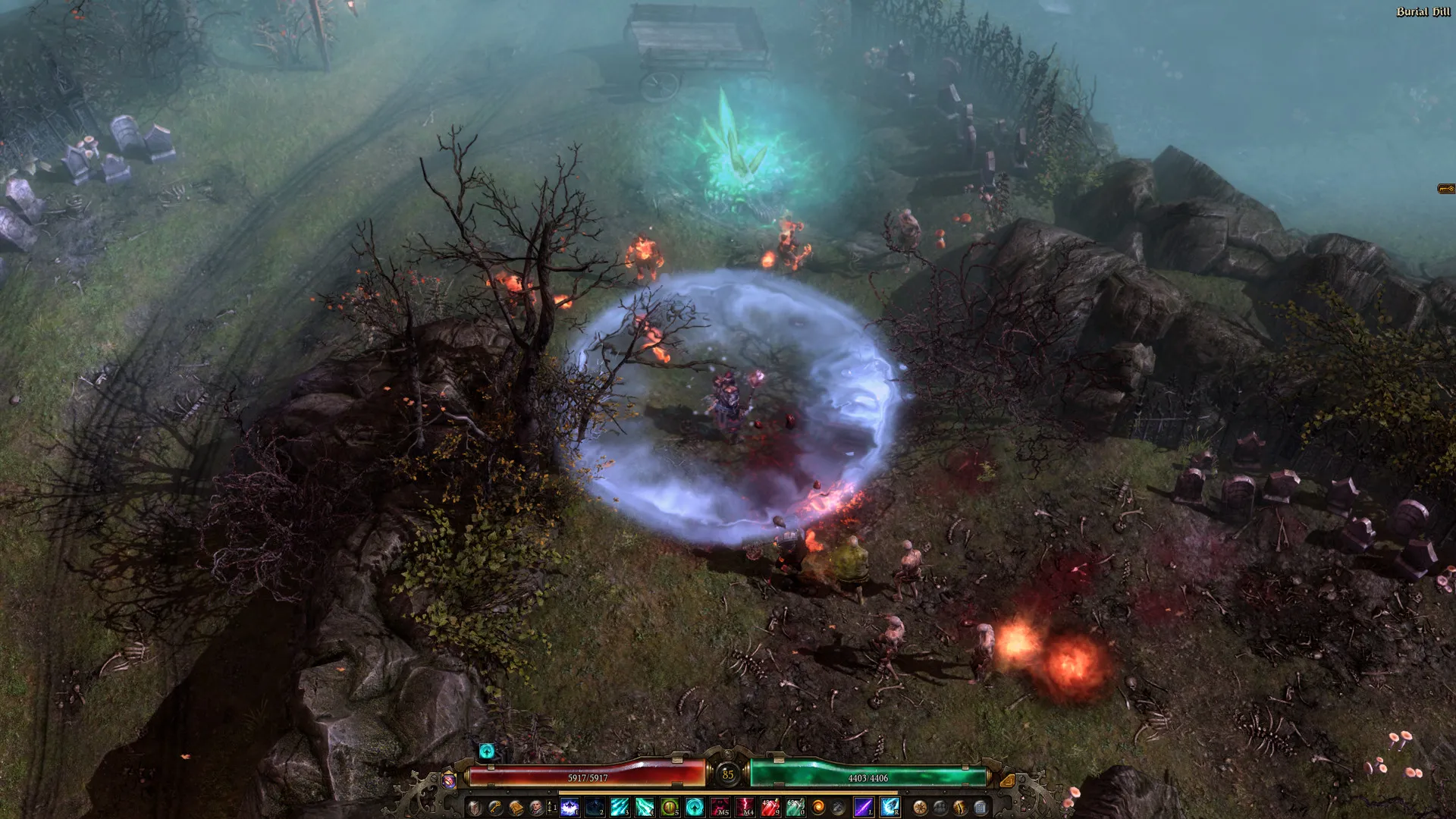
Grim Dawn’s loot system relies heavily on prefixes and suffixes. These modifiers often matter more than base item stats.
Learn to identify affixes that:
- Boost your main damage type
- Increase resistances
- Improve skill levels
Good affixes can make even low-level items powerful.
Components and Augments
Components and augments are essential, not optional. They provide resistance coverage, skill bonuses, and utility.
Never leave gear slots empty. Even basic components significantly improve survivability.
6. Devotion System and Constellation Planning
Devotions Define Builds
The devotion system adds another layer of customization. Constellations can provide damage procs, resist reduction, and defensive bonuses.
Planning your devotion path early prevents wasted points later.
Proc Assignment Strategy
Assign devotion procs to skills that:
- Trigger frequently
- Hit multiple enemies
- Match the proc’s damage type
Proper proc assignment dramatically increases effectiveness.
7. Managing Resistances Across Difficulties
Resistance Caps Matter
Each difficulty increases resistance penalties. What works in Normal may fail completely in Elite or Ultimate.
Aim to overcap resistances whenever possible to survive debuffs.
Priority Resistances
Some resistances are more dangerous to ignore:
- Poison and Acid
- Vitality
- Aether
- Chaos
Covering these early reduces sudden deaths significantly.
8. Understanding Factions and Reputation
Choosing Factions Carefully
Faction choice affects gear availability, augments, and story outcomes. Research faction rewards before committing.
Some factions offer best-in-slot augments for specific builds.
Reputation Farming Tips
Reputation increases naturally through quests and bounties. Do not rush it early; focus on leveling first.
In the mid-game, targeted bounty farming becomes more efficient.
9. Preparing for Endgame Content
Transitioning to Elite and Ultimate
Before entering higher difficulties, ensure:
- All core resistances are capped
- Your main skill is fully supported
- Devotion setup is functional
Skipping preparation leads to unnecessary difficulty spikes.
Endgame Activities Overview
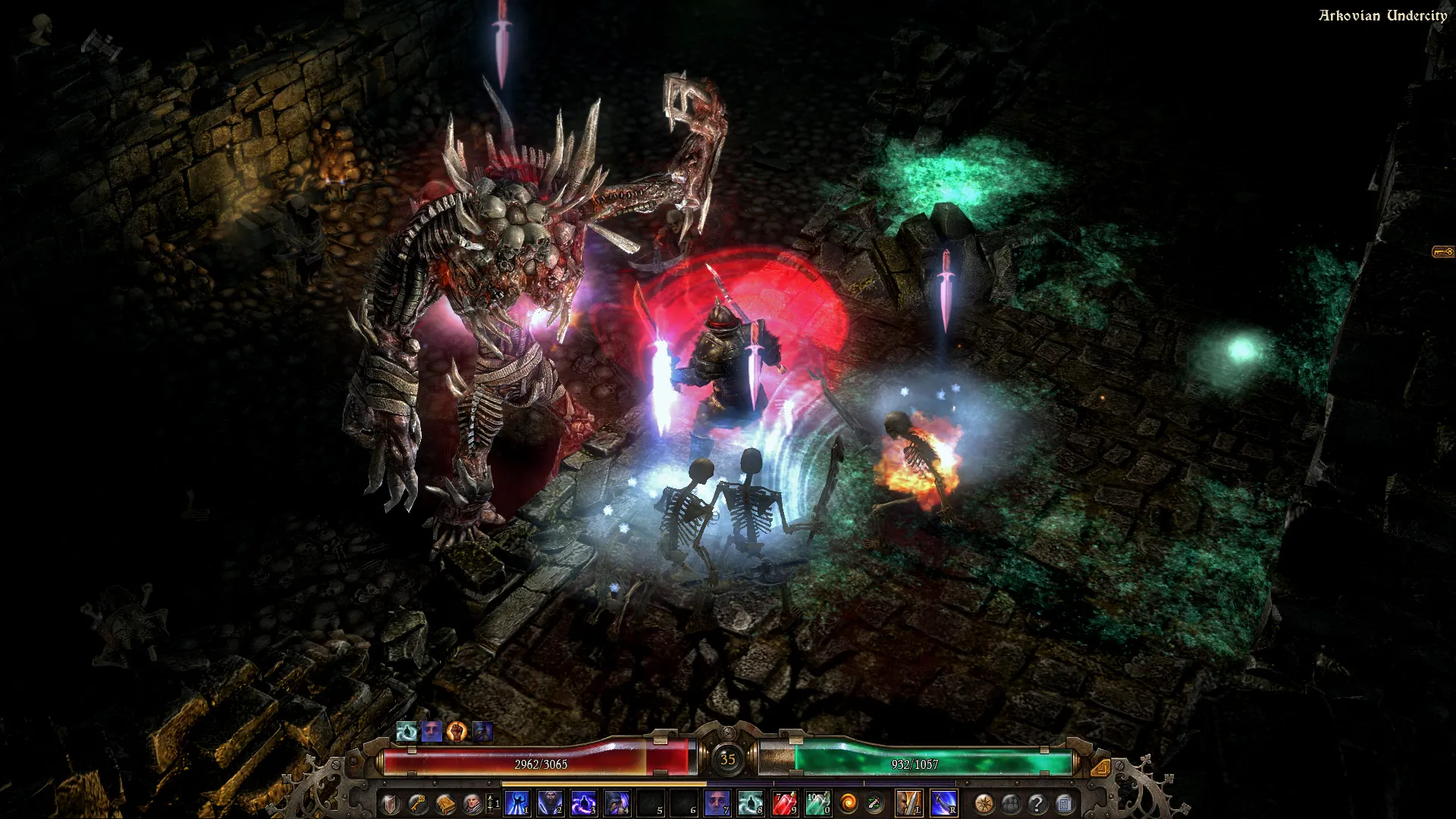
Grim Dawn’s endgame includes:
- Shattered Realm
- Crucible
- Nemesis bosses
- Superboss encounters
Each activity rewards different playstyles and builds.
10. Long-Term Build Optimization
Refining Instead of Rebuilding
Endgame optimization focuses on refinement rather than reinvention. Small changes in gear or devotions often yield large improvements.
Test changes gradually and measure performance.
Learning From Deaths
Deaths are learning tools. Analyze what killed you:
- Resistance gaps
- Low armor absorption
- Poor positioning
Fixing weaknesses is more effective than chasing damage.
Conclusion
Grim Dawn is a deep, demanding ARPG that rewards patience and understanding. Its layered systems encourage experimentation while punishing careless decisions. Mastery comes not from rushing, but from learning how each mechanic supports the others.
By following these tips and guides, players can build stronger characters, survive higher difficulties, and fully experience the rich world of Cairn. Grim Dawn is not just about power—it is about preparation, knowledge, and adaptation.