



Modern role-playing games often prioritize convenience. Quest markers guide exploration, tutorials explain mechanics in detail, and progression systems are designed to ensure players rarely feel lost or powerless. The original Gothic took the opposite approach. Released in 2001, it immersed players in a hostile prison colony where survival depended on observation, patience, and learning through failure. The world did not adapt to the player; the player adapted to the world.
Gothic 1 Remake faces a difficult challenge. It must modernize visuals, controls, and technical systems without undermining the uncompromising design philosophy that made the original memorable. This tension lies at the heart of the remake. The question is not whether the game can become more accessible, but how much accessibility can be introduced before the identity of Gothic begins to disappear. This article examines how Gothic 1 Remake attempts to preserve harsh world design while operating within contemporary expectations of usability and player guidance.
1. Entering a World That Does Not Care About the Player
Most RPGs position the player as a future hero.
Even when starting weak, players are often reassured that greatness is inevitable. Gothic rejects this framework from the beginning.
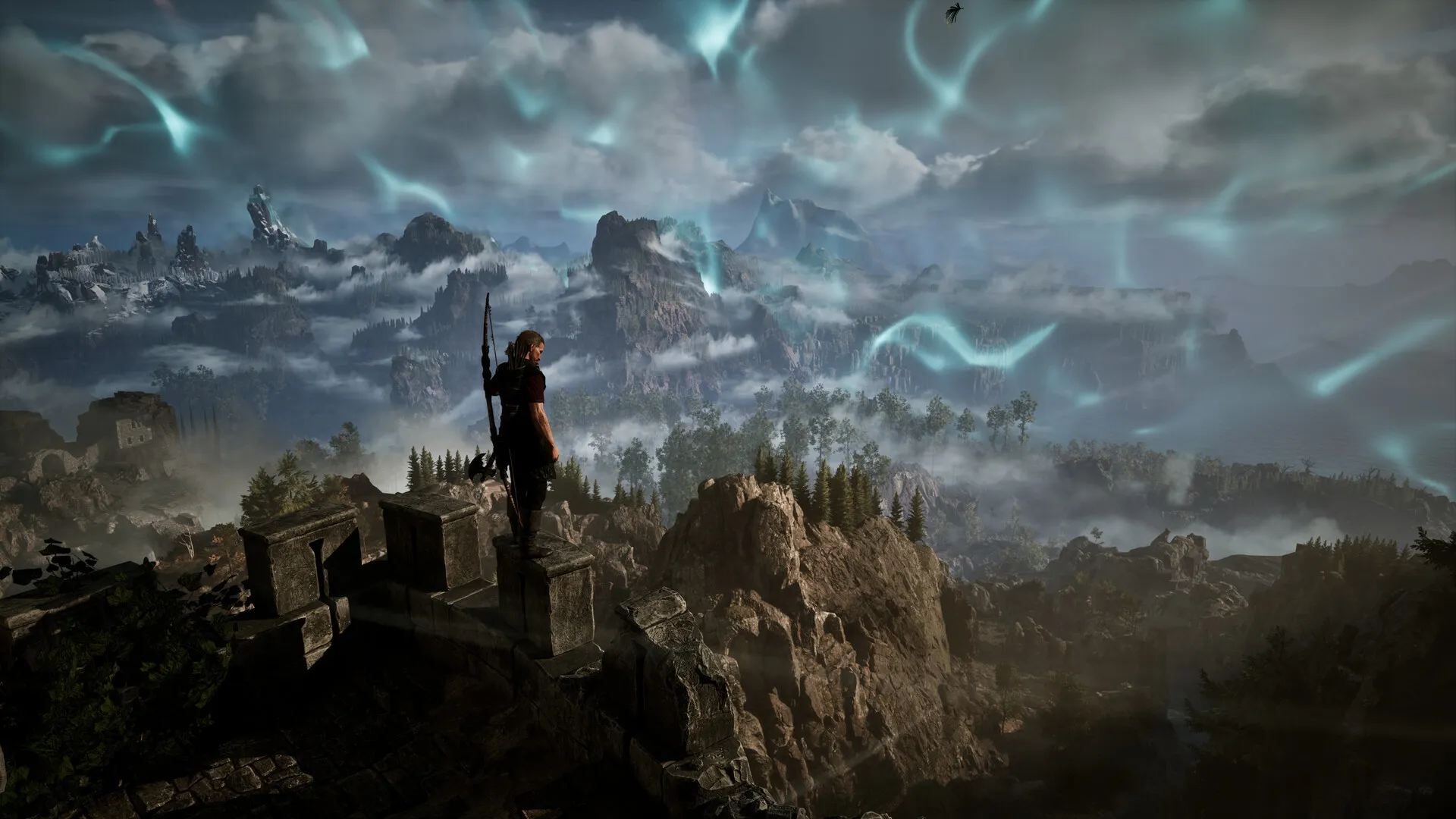
The prison colony is indifferent to the protagonist's existence. Powerful factions pursue their own interests. Dangerous creatures dominate the wilderness. Resources are limited. The player is not important simply because they are the player.
This indifference establishes one of the game's defining characteristics: significance must be earned.
2. Vulnerability as the Foundation of Progression
The early game is intentionally uncomfortable.
Weak equipment, limited combat ability, and scarce resources force players to approach encounters cautiously.
Power Must Be Earned
Enemies that seem impossible during the opening hours become manageable only after substantial growth.
This creates a meaningful progression curve because improvement is tangible rather than abstract.
The remake preserves this philosophy by maintaining a world where danger exists independently of player readiness.
3. Exploration Without Constant Direction
Modern games frequently provide continuous navigational assistance.
Quest markers, highlighted paths, and objective trackers minimize uncertainty.
Navigational Independence
Gothic encourages players to learn geography naturally.
Landmarks, faction territories, and environmental details become essential navigational tools.
The remake's challenge is preserving this sense of discovery without frustrating modern audiences accustomed to explicit guidance.
4. Faction Politics as Survival Strategy
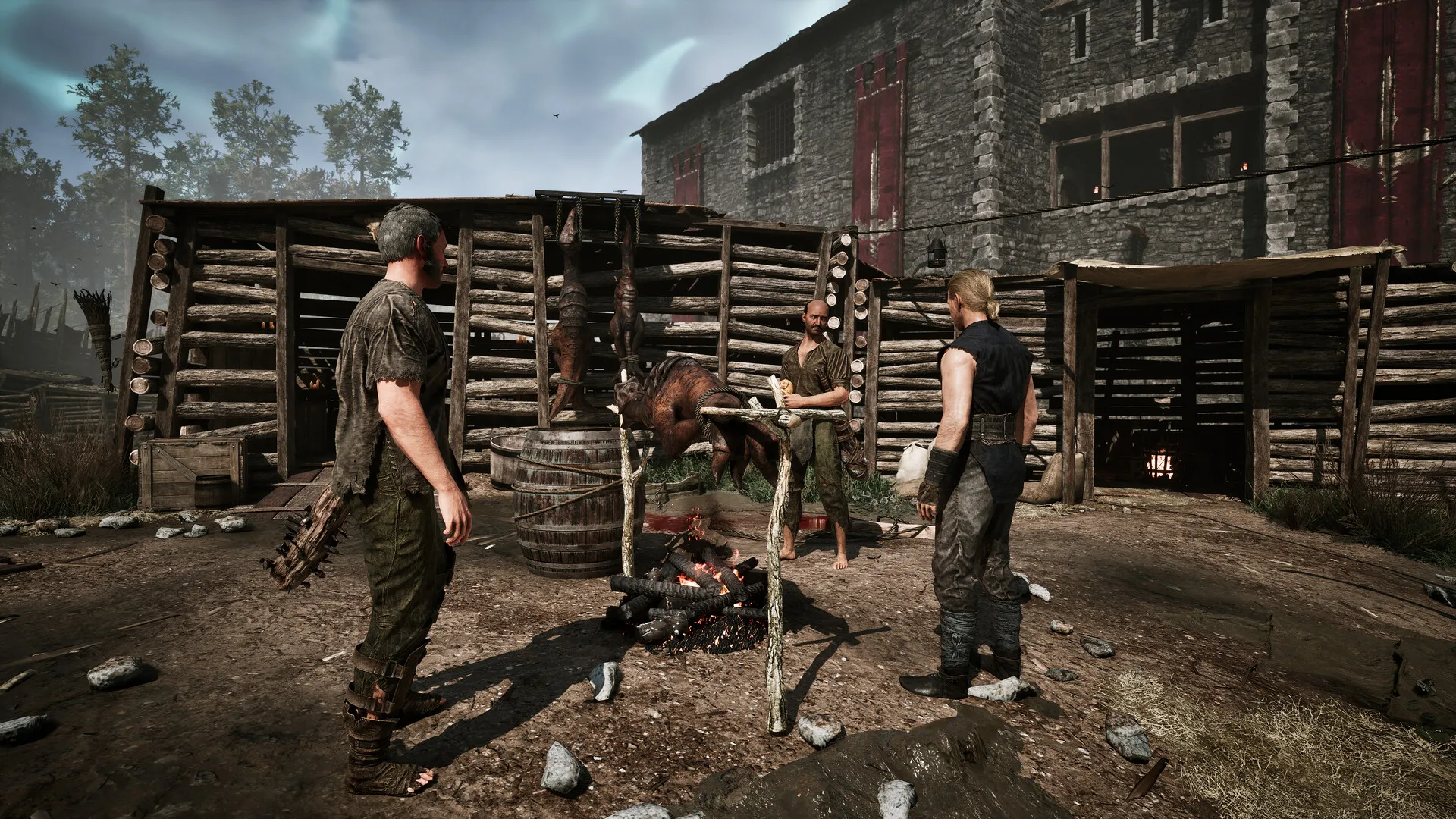
Joining a faction is not merely a narrative choice.
It determines access to training, resources, and social protection.
Social Advancement
Every faction represents a distinct path through the colony's power structure.
Players must evaluate benefits, risks, and long-term consequences.
This transforms social alignment into a strategic decision rather than a cosmetic preference.
5. Combat Designed Around Commitment
Combat in Gothic has always been deliberate.
Positioning, timing, and stamina management matter more than rapid button presses.
Consequences of Mistakes
Poor decisions are punished immediately.
Players cannot rely on animation-canceling or excessive mobility to escape errors.
The remake seeks to modernize responsiveness while preserving the importance of commitment.
6. Economic Scarcity and Meaningful Resources
Gold, equipment, and consumables are valuable because they are limited.
The economy discourages wasteful behavior.
Resource Awareness
Every purchase requires consideration.
Every upgrade feels significant.
Scarcity creates attachment to progression because gains are not distributed freely.
This principle remains central to Gothic's identity.
7. Training Systems That Reward Investment
Character growth depends on instruction.
Players must locate trainers and spend learning points carefully.
Deliberate Development
Improvement requires planning.
Specialization creates strengths but also limitations.
The system encourages commitment rather than universal mastery, making choices more meaningful.
8. Environmental Danger as Worldbuilding
The wilderness communicates information through threat distribution.
Powerful creatures occupy regions beyond the player's capabilities.
Geographic Progression
Difficulty is embedded naturally into the environment.
Players learn where they can safely travel through experience rather than level restrictions.
This creates a believable world where danger exists independently of narrative pacing.

9. The Risk of Excessive Modernization
Remakes often attempt to remove friction.
However, some forms of friction are essential.
Productive Difficulty
Confusion, vulnerability, and uncertainty contribute directly to Gothic's atmosphere.
Eliminating these elements could improve convenience while simultaneously weakening immersion.
The challenge is identifying which frustrations are outdated and which are foundational.
10. Why Harsh Design Remains Relevant
Contemporary design trends increasingly emphasize comfort.
Gothic offers a different philosophy.
Respect Through Resistance
The game respects players by demanding adaptation rather than providing constant assistance.
Success feels meaningful because it is earned against genuine resistance.
This approach remains compelling precisely because it contrasts with modern conventions.
The remake's greatest opportunity lies in preserving that distinction.
Conclusion
Gothic 1 Remake is more than a visual reconstruction of a classic RPG. It is an attempt to preserve a design philosophy built around vulnerability, uncertainty, and earned progression. The prison colony remains compelling because it refuses to revolve around the player. Danger exists independently, resources remain scarce, and social advancement requires commitment.
By maintaining these principles while modernizing technical execution, the remake has the potential to introduce a new generation of players to a style of role-playing that values adaptation over convenience. Its success will depend not on how many rough edges it removes, but on whether it preserves the harsh world design that made Gothic unique in the first place.