 crateorbit.com
Master Class in Aquatic Angling: How to Master Line Tension, Lure Cadence, and Trophy Reel-Ins in How To Fish

How To Fish elevates the tranquil pastime of virtual angling into an intricate, physics-driven outdoor simulation governed by real-time fluid dynamics, tensile line physics, and predatory fish behavior algorithms. Moving far beyond simple bobber-watching and button-mashing, landing legendary apex predators in deep-sea trenches and fast-moving alpine rivers requires a systematic mastery of drag calibration, rod-tip elevation, and lure retrieval cadences. Beginners who rely solely on heavy braided lines or yank wildly on the reel when a fish strikes often find themselves snapping leaders, straightening hooks, or losing trophy catches right at the boat hull. Expert anglers, however, read water currents, balance rod flex, and exhaust massive fish using calculated counter-pulls.
To consistently hook and land elusive trophy species across extreme weather conditions and deep-water biomes, players must master a hyper-specific mechanical discipline: dynamic tension regulation and rhythmic lure presentation. A single miscalculated drag click or an unmitigated slack-line dip allows aggressive predators to throw the barbless hook in milliseconds. This technical angling manual breaks down the exact reel mechanics, tackle configurations, sonar reading techniques, and fight-phase strategies needed to transform you into a master angler. By following the systematic phases detailed below, you will learn how to calibrate your drag profiles, trigger reaction strikes, manage line fatigue, and land every legendary fish across the map.
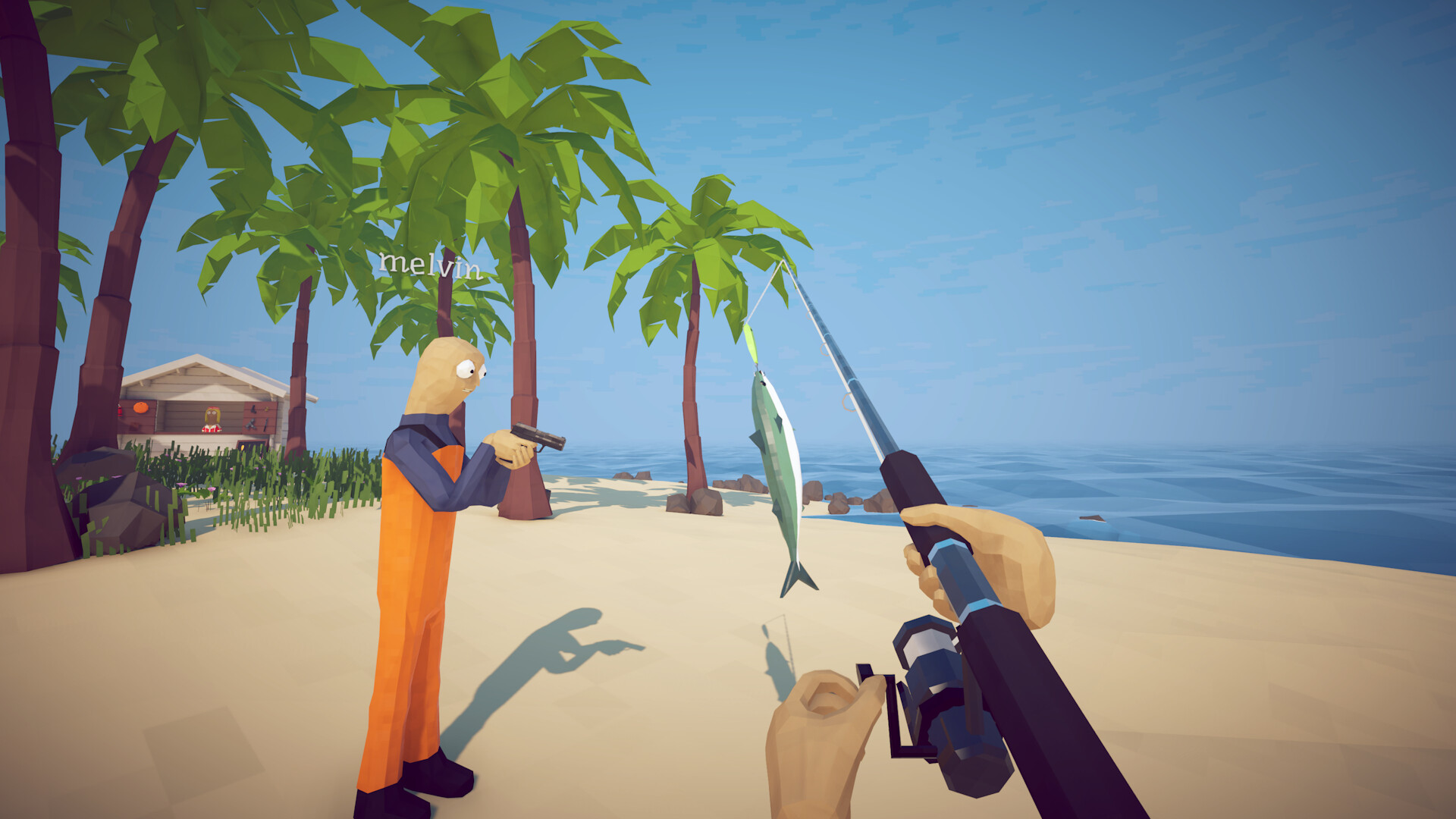
1. How to Calibrate Input Sensitivity, Drag Profiles, and Rod Flex Indicators
Before casting your first line in How To Fish, optimizing your control responsiveness and visual telemetry displays is mandatory. Line tension is calculated on micro-newton thresholds; even a half-second delay in releasing the reel trigger during a sudden surge can spike tension into the critical red zone and snap your fluorocarbon leader. Access the Gameplay Settings menu and enable Precision Drag Control (switching from stepped presets to continuous micro-increment adjustments) and turn on the Dynamic Tension Arc HUD. This places a curved telemetry bar directly beside your rod tip, displaying real-time line stress, rod bend angle, and hook-set integrity.
Camera positioning is equally critical for reading water surface disturbances and tracking lateral fish runs. Set your Angling Camera to "Dynamic Rod-Tip Focus" with Field of View expanded to 95 degrees. This wide-angle perspective lets you monitor shoreline structure, submerged weed beds, and distant boiling surface schools simultaneously. Additionally, enable Audio Hydro-Feedback in the sound settings to amplify subtle underwater line-hum frequencies, allowing you to feel line vibration changes before a fish fully commits to a strike.
2. How to Assemble Optimal Tackle Loadouts and Balance Line-to-Rod Ratios
The core foundation of your angling success in How To Fish is building a balanced tackle setup where rod power, reel drag capacity, and line break-strength align harmoniously. Simply equipping the heaviest deep-sea rod with ultra-light monofilament line creates a fatal mechanical mismatch that snaps instantly on the hook-set, while pairing heavy braided line with an ultralight trout rod strips your reel gears or shatters the blank. To build an optimal setup, match your line's pound-test rating strictly within the middle 60% of your rod's recommended line weight range.
Understanding line material properties is vital for adapting to water clarity and submerged hazards. Braided line offers zero stretch and maximum sensitivity for detecting subtle deep-water bites, making it ideal for heavy cover and jigging, though its high visibility spooks wary fish in crystal-clear streams. Fluorocarbon line is virtually invisible underwater and sinks rapidly, making it mandatory for finesse presentations in clear alpine lakes, while Monofilament provides natural elasticity that acts as a shock absorber against violent head-shaking predators.
3. How to Master Casting Precision, Feathering Spools, and Target Structure Placement
Dropping a lure randomly into open water rarely yields trophy catches in How To Fish. Apex predators are ambush hunters that hold tight to structural cover—submerged timber, drop-off ledges, bridge pilings, and undercut riverbanks—where they conserve energy while waiting for disoriented prey. Executing a pinpoint cast requires charging your cast meter to the exact distance target and utilizing "Spool Feathering" just before the lure hits the water.
To feather your spool, lightly tap the brake/thumb input when your lure is roughly three feet above the water's surface. This slows the line payout smoothly, causing the lure to enter the water with a quiet, natural splash rather than a loud commotion that scatters nearby fish. Additionally, feathering pulls the slack out of your line mid-air, ensuring your lure begins swimming immediately upon impact and keeping you in direct contact for instant early-strike detection.
4. How to Execute Rhythmic Lure Retrievals and Trigger Reaction Strikes
Once your lure enters the water, static reeling will only attract aggressive, hungry juvenile fish. Fooling wary, older trophy specimens requires imparting lifelike action using distinct retrieval cadences tailored to your lure type. Hard-bodied crankbaits and spinnerbaits perform best on a "Stop-and-Go" retrieve—reeling steadily for three seconds, pausing completely for two seconds to let the lure suspend or float upward, and snapping the rod tip sharply to mimic an injured baitfish fleeing.
For bottom-bouncing soft plastics and heavy jigs, master the "Lift-and-Drop" cadence. Allow the jig to sink until your line goes slack on the bottom, then lift your rod tip cleanly from the 9 o'clock position to the 11 o'clock position while reeling in the excess slack. Let the lure flutter back down on a semi-tight line; over 80% of trophy strikes occur during this controlled descent phase when the predator believes its prey is helpless.
5. How to Read Bathymetric Sonar, Thermoclines, and Weather Barometrics
Finding trophy fish in expansive lakes and coastal oceans requires leveraging your boat's fish-finder sonar and environmental telemetry gauges. Learning to read bathymetric contour lines reveals underwater highways, steep drop-offs, and sunken humps where baitfish congregate. Look for tight clusters of inverted crescent arches suspended along steep depth transitions—these arches indicate large predatory fish actively patrolling feeding zones.
Environmental conditions dictate where fish hold in the water column throughout the day. During high barometric pressure and bright midday sun, predators retreat to deep, shaded thermocline layers where water temperatures remain stable and oxygen-rich. When barometric pressure drops ahead of an incoming storm front, fish move aggressively into shallow flats and shoreline weed beds to feed heavily, making topwater poppers and shallow crankbaits devastatingly effective.
6. How to Execute Frame-Perfect Hook-Sets and Initial Strike Control
Detecting a bite is only half the battle; converting that strike into a solid hook-set requires matching your rod sweep to your tackle setup. When you feel a sharp tap or see your line twitch laterally, pause for a split second to let the fish turn with the bait in its mouth, then sweep the rod upward and backward sharply at a 45-degree angle while simultaneously cranking the reel handle twice to remove slack.
Avoid over-powering the hook-set when using light wire hooks or braided line, as an overly violent yank will tear the hook straight out of soft-mouthed species or snap light leaders. Conversely, when fishing heavy weeds with thick-gauge worm hooks and monofilament line, execute a powerful, high-angle sweep to drive the hook point deep past the barb through the fish's tough jawbone.
7. How to Master the Pump-and-Reel Fight Phase Without Line Snap
Hooked trophy fish in How To Fish possess massive stamina pools and will execute blistering runs, deep dives, and airborne jumps to throw the hook. Attempting to winch a 100-pound fish directly to the boat by holding the reel button down continuously will overheat your reel drag and snap your line. Instead, master the classic "Pump-and-Reel" technique to exhaust the fish using the rod's parabolic flex rather than the reel's gears.
To pump a fish effectively, hold your rod low, then pull upward smoothly from the horizontal position to a 60-degree angle while keeping tension pinned safely in the upper-green zone. Once the rod reaches its apex, rapidly lower the rod tip back toward the water while reeling in the slack line you just gained. Repeat this rhythmic lift-and-wind cycle steadily; every pump uses the spring tension of the bent rod to tire the fish's muscles while protecting your reel gears from heavy load stress.
8. How to Utilize Chumming, Scent Trails, and Live Bait Rigging
When targeting elusive nocturnal bottom-dwellers or hyper-cautious legendary specimens, artificial lures alone may fail to draw a strike. Utilizing organic scent trails, chum slicks, and live bait rigging creates an irresistible sensory beacon that pulls predators from vast distances directly into your casting zone. Deploy chum bags in steady current lanes so the scent disperses downstream in a wide cone, then cast your baited hook directly into the heart of the scent trail.
Rigging live bait requires careful hook placement to keep the baitfish swimming naturally and alive for as long as possible. Hook minnows and shad lightly through the upper lip or just behind the dorsal fin without piercing the spine. A lively, struggling baitfish emits erratic low-frequency vibrations that trigger nearby predators far more reliably than a dead, spinning bait.
9. How to Troubleshoot Line Twist, Snags, and Equipment Fatigue
Even seasoned anglers encounter mechanical setbacks during extended expeditions. In How To Fish, line twist, bottom snags, and progressive tackle wear can ruin a trophy hook-up if left unaddressed. Line twist occurs frequently when using inline spinners or reeling against a slipping drag; prevent this by attaching a high-grade ball-bearing swivel 18 inches above your lure and avoiding reeling while the fish is actively pulling line off the spool.
If your lure becomes wedged in submerged rocks or timber, do not yank backward violently, as this drives the hook deeper into the wood and risks snapping your rod tip. Instead, walk or maneuver your boat to the opposite angle of the snag, point your rod tip straight at the lure, and release a small bow of slack line before snapping the rod sharply sideways to pop the lure free.
10. How to Track Legendary Apex Species and Complete Mastery Tournaments
The ultimate endgame challenge in How To Fish revolves around hunting down regional Legendary Apex Species—massive, uniquely patterned titans that appear only during specific weather windows, moon phases, and tide cycles. Catching a legendary fish requires synthesizing every skill in your arsenal: scouting historic feeding grounds, matching local forage hatch patterns, and surviving grueling multi-minute endurance battles.
Competing in timed Mastery Tournaments tests your efficiency under pressure. Rather than spending an entire tournament hunting a single rare fish, optimize your points-per-hour by targeting high-density schools of mid-tier sportfish using rapid-retrieval lures, then switching to heavy live-bait rigs during the final golden-hour feeding frenzy to land a heavy tournament-winning kicker fish.
Mastering How To Fish is a rewarding journey of transforming patience and observation into technical precision and mechanical control. The game elevates outdoor angling into a deep simulation where water currents, rod flex, drag calibration, and lure cadence determine success on the water. Study the bathymetric contours, respect your line limits, bow to leaping predators, and maintain steady pump-and-reel rhythms when a monster takes your bait. Rig your tackle, read the water, make your cast, and land the trophy catch of a lifetime.