






Introduction
ARC Raiders is a high-intensity cooperative shooter where survival depends on teamwork, tactical awareness, resource management, and fast adaptation. Set in a dystopian world overrun by ARC machines, the game constantly pushes you to think quickly, coordinate with teammates, and react to unpredictable threats. Learning how to navigate chaotic fights, extract valuable loot, and stay alive under pressure requires more than simply shooting at robots. You need strategy, sequencing, decision-making, and strong synergy with your squad.
This guide breaks down the full “how to” process for mastering ARC Raiders, from understanding basic mechanics to advanced combat flow, traversal, resource usage, and long-term survival. The instructions are built step-by-step so new players and experienced teammates can grow their skillset and develop consistent patterns that lead to success in raids. Each section follows a chronological learning curve, helping you build knowledge and apply it efficiently inside real missions.
1. How to Understand ARC Raiders’ Core Gameplay Loop
Before diving into battles or crafting loadouts, you must first understand what the game wants you to do. ARC Raiders is built around risk–reward progression, where the best materials and loot require engaging with the most dangerous zones. The loop follows a predictable but demanding structure: deploy, scavenge, fight ARC machines, upgrade gear, push deeper, and attempt extraction without dying.
Your goal is not only to defeat enemies, but also to manage movement, terrain, and team positioning. Since the Raiders have limited resources, you must stay alert and constantly evaluate when to engage or avoid conflict. Many beginners fail early because they rush into fights without understanding the AI patterns or the environmental hazards surrounding each encounter.
Learning the loop means recognizing how sound, visibility, and line-of-sight influence enemy behavior. The further you progress into a mission, the more likely ARC units will overwhelm you if you are not coordinating with your squad. Your mindset should be prepared for constant adaptation. Success in ARC Raiders is defined by smart risk management, not reckless aggression.
2. How to Build the Right Loadout for Your Playstyle
Loadout selection is one of the most important steps before entering a raid. Every weapon, ability, and gadget contributes to your performance in specific roles. Your equipment determines how you approach fights, how you support your team, and what situations you can survive. This is not a game where any gun works anywhere; you must intentionally select gear based on your mission goals.
Start with the weapon categories available—primary rifles, long-range options, close-combat guns, support launchers, and sidearms. Rifles offer steady output and are ideal for general play. Long-range rifles help you manage scouting and early engagement without alerting nearby machines. Shotguns and SMGs are better for tight encounters but dangerous when dealing with long-range drones. Equipment synergy matters: pairing long-range weapons with close-range sidearms lets you stay flexible during transitions.
Gadgets reinforce your style. Healing tools support safer pushes. Grenades help dismantle armored units. Utility items, like decoys or EMP charges, disrupt enemy routines and create openings. The best Raiders choose loadouts that complement their squad’s composition. If no one brings mobility tools, the team becomes slow. If no one equips healing, sustained fights become impossible.
3. How to Master Movement and Positioning in All Environments
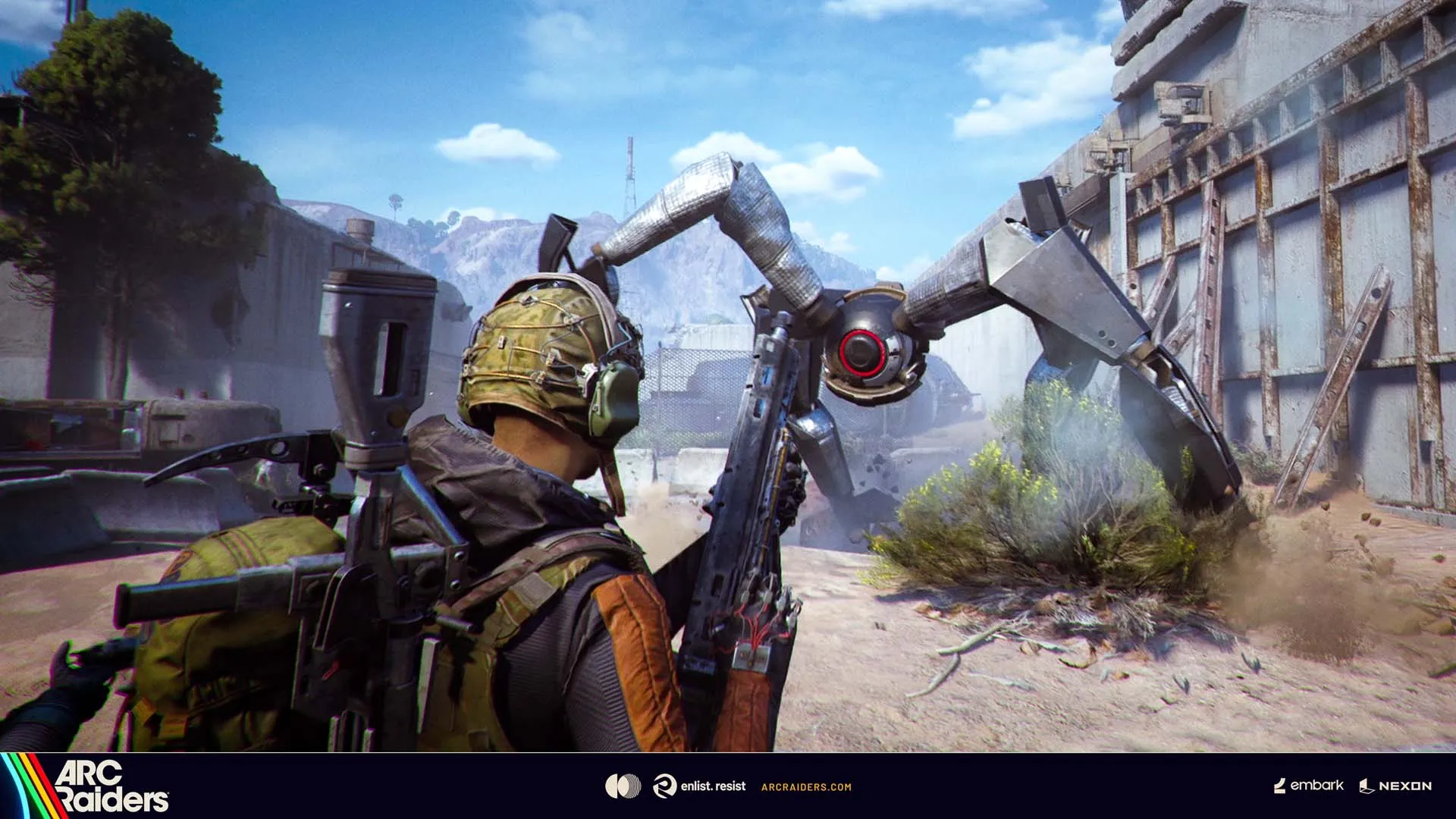
Movement is your first defensive tool. ARC machines are relentless, and staying still guarantees defeat. Learning how to strafe, slide, dodge, and use terrain effectively defines your survivability. Good players understand that positioning is more important than raw aim, because proper spacing allows the team to control the pace of combat.
Your first focus should be terrain awareness. Open fields are deadly unless you plan to fight at long range. Elevated ground gives you line-of-sight advantages and reduces the chance of being flanked. Narrow paths can be choke points but also limit your escape routes. Each zone has risks and benefits, so your movement must respond to the environment, not ignore it.
Positioning in ARC Raiders has a rhythm: spot enemies, reposition before firing, communicate angles, then pressure ARC machines from multiple directions. Avoid clustering, as large groups attract coordinated enemy fire. Spread out enough to avoid splash damage but remain close enough for mutual support. Movement is not constant running—it is intentional shifting from cover to cover. Smart positioning cancels enemy advantages and sets you up for safer engagements.
4. How to Manage Resources and Supplies Efficiently
Resource management separates experienced Raiders from reckless beginners. Ammunition, healing, armor, and crafting materials are limited in every mission. Using them carelessly will leave the team vulnerable when the difficulty spikes. Every decision must evaluate whether the potential loot is worth the cost.
Prioritize essential pickups first. Ammo is always the highest value resource, especially in long missions. Medkits should be saved for emergencies rather than minor scratches, because ARC machine damage scales quickly in deeper regions. Make sure each teammate communicates what supplies they have so the group can balance quantities and avoid waste.
Crafting materials gathered early in missions help you upgrade weapons or create powerful consumables. These upgrades dramatically increase your chances of survival later on. Efficient teams rotate supplies; for example, one player might carry extra healing, another manages grenades, and a third carries EMP tools. This distribution prevents redundancy and increases tactical flexibility. Smart supply management keeps missions efficient and increases the odds of a clean extraction.
5. How to Handle Basic Combat Against ARC Machines
Early-level ARC enemies teach you the fundamental combat patterns. Their behaviors vary, but you can predict movement and exploit weaknesses once you learn their rhythm. Understanding these simple enemies prepares you for more complex machines later in the mission.
Basic ARC drones typically scan areas before engaging. When they spot movement or sound, they send out alert signals that attract more units. Your first priority is preventing unnecessary escalation, so eliminate scouts quickly and silently when possible. Melee ARC units rush aggressively but have predictable charge patterns that allow sidestepping or ranged dismantling. Meanwhile, stationary turrets require either flanking or EMP disruption.
The key to basic combat is timing and pacing. Engage from positions of advantage, coordinate with teammates so multiple angles are covered, and avoid shooting wildly when enemies are spread out. Slow controlled bursts conserve ammunition while focusing damage on important units. Practicing these fundamental combat rules leads into more advanced strategies needed for larger raid zones.

6. How to Fight Advanced ARC Units and Survive High-Level Encounters
Advanced ARC units transform missions into chaotic battles. These enemies have layered armor, environmental manipulation abilities, and coordinated attack patterns. Surviving them requires constant movement, deep understanding of weak points, and complete team communication.
Heavy ARC walkers are among the most dangerous threats. They fire explosive projectiles, deploy suppression fields, and force players to reposition. Circle them while maintaining distance and aim for exposed mechanical joints to deal consistent damage. Flying drones bombard teams with tracking shots that overwhelm groups without cover. Use long-range weapons to pick them off early before they swarm.
Some advanced ARC machines coordinate together. For example, shield-projecting units protect offensive drones, creating dangerous combinations. Focus on support units first to dismantle these synergies. The longer advanced fights persist, the more supplies you drain and the higher the risk of defeat. Effective teams use all their tools—EMP bursts, grenades, coordinated firing lines—to finish fights quickly and avoid dangerous escalations.
7. How to Approach Mission Objectives and Complete Raids Efficiently
ARC Raiders missions include varied objectives such as retrieving data, destroying ARC infrastructure, gathering resources, or scouting enemy territory. Each objective requires a specific approach, and the team must adapt strategies depending on the mission’s risk level.
Scouting missions reward stealthy movement. Stay low, reduce noise, and engage only when necessary. Resource missions require clearing zones methodically before collecting materials. Destruction missions demand high firepower and fast movement, as blowing up ARC structures attracts attention. Efficiency comes from understanding what the mission prioritizes and reorganizing your strategy around it.
Time management matters. The longer you stay in a raid, the more aggressive ARC activity becomes. Push objectives quickly but safely. Communicate when one player should scout, when the team should regroup, and when it is time to extract. Efficient mission execution reduces casualties and maximizes the loot you bring home.
8. How to Work as a Cohesive Team and Communicate Effectively
ARC Raiders is built around teamwork. Lone-wolf behavior leads to supply shortages, accidental alert triggers, or sudden ambushes. A coordinated team, however, becomes nearly unstoppable. Communication is your greatest weapon—calling out positions, enemy types, loot locations, and resource shortages.
Assign roles before entering missions. One player can specialize in long-range support, another handles close engagements, and a third focuses on utilities and revival duties. When the team understands each other’s strengths, combat flows naturally. Avoid overlapping roles unless necessary; diverse capabilities increase survival and reduce redundancy.
During firefights, concise callouts help maintain situational awareness. Mention directional threats, flanking enemies, and weak points. Alert teammates when you are low on supplies or health so they can assist or adjust formation. Successful teams rely on trust and coordination, not individual heroics. Winning raids consistently requires everyone contributing to the group’s momentum.

9. How to Explore the World and Control High-Risk Zones
ARC Raiders’ world is dangerous, dynamic, and full of hidden opportunities. Exploring zones properly unlocks rare materials, unique upgrade items, and strategic advantages. However, some areas contain traps, hazards, or extremely strong ARC presence. Learning how to navigate each environment allows your team to maintain control and avoid unnecessary losses.
Start by scanning environments from high ground or safe perches. Identify choke points, clusters of enemies, and loot paths. Move slowly through high-risk zones, checking corners and listening for machine movement. Map memory becomes valuable—knowing where cover is located helps mid-fight repositioning.
Some zones reward aggressive exploration, while others punish it. Environmental hazards such as electrical fields or explosive debris can become tools against ARC units if used correctly. Use terrain creatively, turning natural obstacles into strategic advantages. Smart exploration leads to safer fights, easier loot collection, and better mission flow.
10. How to Extract Successfully and End Missions Safely
Extraction is the final and most dangerous part of every mission. ARC machines intensify their presence as you prepare to leave, creating high pressure and chaotic final encounters. Many teams lose all their progress because they underestimate the difficulty of extraction.
Start extraction procedures early by moving toward the extraction point together as a unit. Ensure every teammate reloads, heals, and prepares gadgets before calling extraction. Once the extraction signal is triggered, ARC units swarm aggressively, often targeting your weakest player first. Protect fallen teammates and avoid abandoning anyone, because extraction requires the majority to survive.
Position the team around the extraction zone in a defensive formation. Do not cluster, but stay close enough to revive quickly. Focus fire on enemies breaking through frontlines. Use all remaining consumables—this is the last fight and there is no reason to save resources. When extraction completes, retreat immediately, even if enemies remain active. Safe extraction is a victory, and bringing home loot fuels your next mission.
Conclusion
Mastering ARC Raiders requires more than good aim or powerful weapons. It demands consistent teamwork, resource awareness, smart movement, and situational adaptability. Each raid is an unpredictable test of your ability to manage risks and solve problems under pressure. The key is building strong habits: preparing loadouts with intention, understanding terrain, pacing encounters, and extracting with discipline.
As you follow the steps in this guide, your confidence in raids will grow. You will learn how to recognize danger earlier, how to prevent chaotic engagements, and how to maintain supply efficiency throughout long missions. With experience, ARC machines will feel less overwhelming, and your squad will progress deeper into high-risk zones with increasing success. ARC Raiders rewards players who think, communicate, and strategize. Master those elements, and you’ll become a Raider capable of surviving even the toughest encounters.
160-Character Summary
Step-by-step guide to mastering ARC Raiders with combat tactics, movement, teamwork, resource management, exploration, and safe extraction strategies.