The Evolution of Synergistic Combat: The Mechanical Architecture and Meta Philosophy of Team-Up Systems in Marvel Rivals
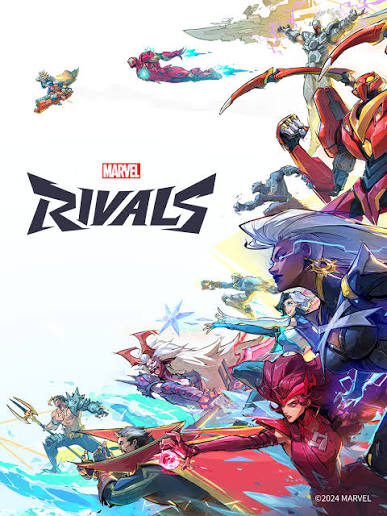
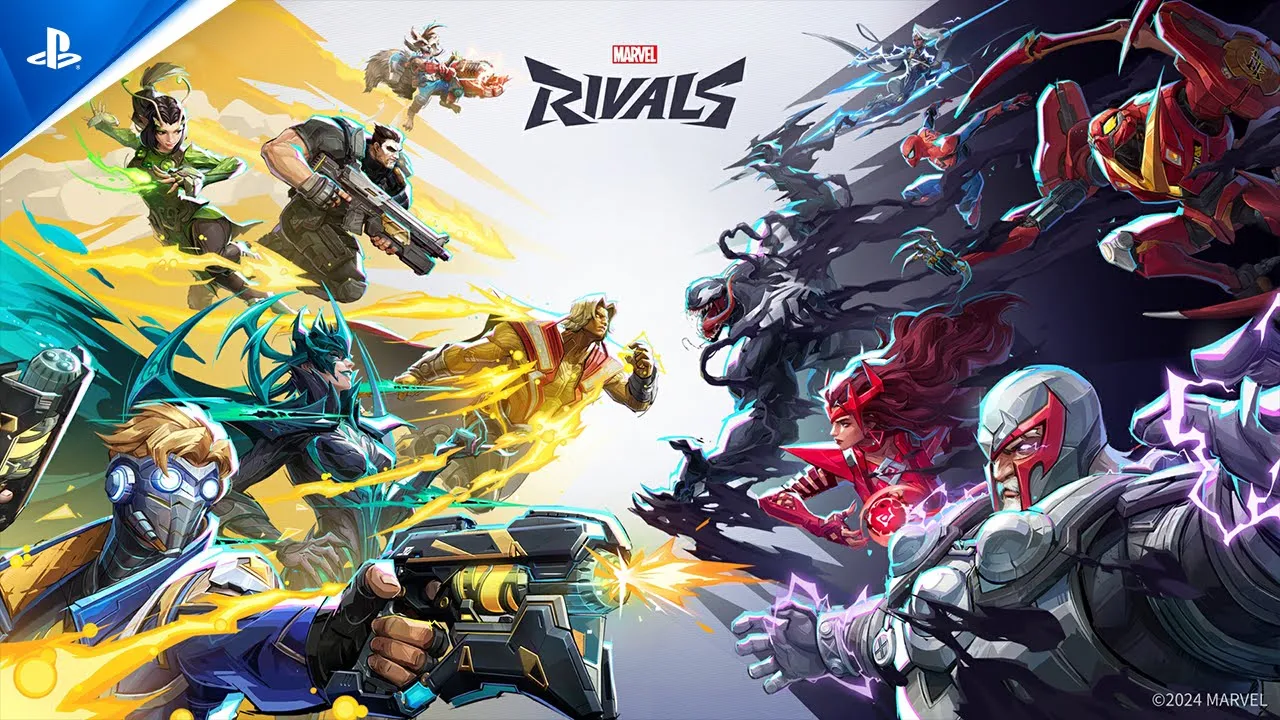
The hero shooter landscape has historically relied on individual character kits working in loose proximity, where synergy is defined by standard ability layering—such as placing a barrier in front of an ultimate or combining crowd control skills. NetEase's Marvel Rivals fundamentally reimagines this dynamic by formalizing character interactions directly into the game's codebase through its proprietary Team-Up System. Rather than leaving hero interaction to player improvisation alone, the title introduces asymmetrical, lore-infused mechanical dependencies that grant specific character pairings unique active abilities, passive buffs, or altered tactical functions. This design shift transforms hero selection from a localized optimization problem into a complex systemic draft, where individual power budgets are dynamically altered by the presence of complementary allies.
The Conceptual Genesis of Lore-Driven Mechanics in Hero Shooters
For decades, competitive hero shooters struggled to translate narrative relationships into game balance without breaking competitive integrity. Traditional titles avoided direct mechanical coupling between specific characters to ensure that individual pick rates remained decoupled from team composition prerequisites. Marvel Rivals rejects this isolationist design model, taking inspiration from decades of comic book crossovers to establish a system where narrative history dictates tactical capability. By binding specific mechanics to established lore pairings—such as Rocket Raccoon mounting Groot or Magneto empowering Scarlet Witch's sword—the game embeds IP identity directly into high-level competitive decision-making.
This approach establishes a dual-layered design philosophy: accessibility through intuitive comic-book logic alongside mechanical complexity for high-level play. Players familiar with Marvel lore can intuitively predict potential hero synergies before reading patch notes, while competitive draft teams must account for cascading power spikes triggered by single hero swaps. The integration of story driven design ensures that character kits are no longer static islands, but flexible nodes within a broader tactical network.
Theoretical Design Foundations
Decoupled Kit Architecture versus Systemic Interdependence
- Static Kit Isolation: Traditional hero shooter design where character abilities remain fixed regardless of teammate selection.
- Lore-Integrated Interdependence: Modern system design where team compositions unlock supplementary abilities, alter resource pools, and shift hero power curves in real time.
- Narrative Predictability: Using established character lore to make complex mechanical synergies intuitively understandable to players.
The Anchor Hero System and Asymmetric Dependency Architecture
At the structural core of every Team-Up ability lies the "Anchor Hero" framework. In this asymmetric hierarchy, one specific character acts as the mechanical hub, granting unique combat properties to designated recipient heroes upon entering the battlefield. For instance, Sue Storm (Invisible Woman) serves as an anchor who grants defensive force-field enhancements to other members of the Fantastic Four, while Venom acts as a symbiote anchor providing passive spike abilities to Spider-Man and Peni Parker. This creates an explicit directional dependency: the recipient heroes require the anchor to activate their enhanced kit, whereas the anchor often receives passive stat compensation—such as damage resistance or health pools—to justify their central targeted role.
This structural asymmetry alters target prioritization and squad positioning during engagements. Eliminating an anchor hero instantly disables the active Team-Up abilities of their reliant teammates until the anchor respawns, introducing a critical vulnerability into team compositions that rely heavily on these synergies. Consequently, high-level matches feature aggressive focus-firing on anchor targets to disrupt secondary utility networks before initiation.
Anchor Structural Taxonomy
Functional Hierarchy of Dependency Systems
- Primary Anchor Nodes: Central heroes whose presence unlocks active or passive abilities across multiple sub-units.
- Synergy Beneficiaries: Heroes who gain expanded tactical toolkits, altered mobility, or secondary offensive cooldowns solely when paired with their anchor.
- Symmetrical Buff Vectors: Reciprocal stat modifications (such as damage reduction or increased health) granted to anchors to offset focus-target vulnerabilities.
Active versus Passive Team-Up Mechanics in Competitive Environments
Team-Up Abilities in Marvel Rivals branch into two distinct operational categories: Passive Synergies and Active Mechanical Abilities. Passive Team-Ups function continuously without requiring manual input or frame execution, granting persistent stat boosts, modified hitboxes, or spatial advantages simply by maintaining proximity. A prime example is "Planet X Pals," where Rocket Raccoon mounts Groot's shoulder, automatically receiving flat damage reduction and shared positioning while firing from an elevated point of view. These persistent synergies offer predictable value and low execution risk, establishing a steady baseline for team performance.
Active Team-Ups, conversely, require deliberate player confirmation, directional aiming, and precise timing window management. Abilities like the "Fastball Special"—where a Vanguard such as Hulk or The Thing physically launches Wolverine into enemy backlines—require dual-player coordination and situational awareness. While active synergies carry a higher risk of execution failure or wasted cooldowns, their explosive impact can clear objectives, bypass defensive chokepoints, or turn the tide of team fights instantly.
Execution Framework Comparison
Operational Characteristics of Synergistic Types
- Passive Synergy Systems: Continuous spatial bonuses, damage mitigation aura effects, and persistent ammo buff zones.
- Active Execution Skills: Manual initiation triggers, high-burst combo abilities, directional repositioning throws, and temporary weapon enhancements.
- Risk-Reward Scaling: Low variance and stable performance in passives versus high skill-ceiling, match-defining play potential in active combos.
Vanguard Synergy Dynamics and Spatial Control Protocols
The Vanguard role (Tank) serves as the physical anchor for space creation and team push dynamics. When Vanguards participate in Team-Up systems, the scope of front-line spatial control expands dramatically. Vanguard synergies often focus on combining defensive barriers, altering environmental choke points, or enabling hyper-aggressive space clearing. When Magneto pairs with Scarlet Witch via "Metallic Chaos," his defensive frontline presence evolves into an offensive threat as he receives a chaos-infused greatsword capable of cleaving through enemy positions.
This integration shifts how Vanguards claim and hold map objectives. Rather than relying solely on static shield values or personal damage mitigation pools, a Vanguard empowered by a Team-Up can push beyond standard frontline limits. These synergies transform Vanguards from passive damage sponges into active catalysts that dictate engagement pacing and force enemy displacement.
Frontline Space Creation Models
Vanguard Interaction Mechanics
- Offensive Space Generation: Infusing tank kits with burst damage tools to force enemy backlines off key objectives.
- Defensive Layer Augmentation: Combining barrier generation with secondary protective fields to secure choke points.
- Displacement & Engagement Synergy: Utilizing physical movement interactions to hurl aggressive Duelists directly into vulnerable backline formations.
Duelist Aggression Networks and Amplified Damage Vectors
Duelists (DPS) rely on Team-Up abilities to unlock unexpected attack angles, bypass enemy defenses, and burst down critical targets. The mechanical integration for Duelists typically enhances mobility or amplifies burst potential. For example, Magik and Black Panther's "Limbo Shortcut" enables Black Panther to use dimensional portals opened by Magik, bypassing traditional frontline barriers to instantly flank isolated Strategists. This fundamentally alters flanker pathfinding, forcing defensive teams to monitor spatial vectors beyond normal sightlines.
Furthermore, damage amplification networks create short windows where a Duelist's time-to-kill (TTK) drops sharply. The Punisher's synergy with Rocket Raccoon's "Ammo Overload" grants infinite ammunition and an increased firing rate within a designated zone, turning standard continuous fire into overwhelming lane suppression. Managing these aggression windows requires absolute discipline from both the attacker and the target team.
Offensive Vector Typologies
Duelist Tactical Integration
- Spatial Bypass Logistics: Teleportation and portal mechanics that ignore traditional map geometry and frontline barriers.
- Sustained Fire Density: Temporary removal of reload constraints to create absolute lane denial.
- Symbiote Spikes & AoE Burst: Multi-target area hazards granted to agile Duelists to collapse clustered enemy groups.
Strategist Utility Chaining and Backline Survival Economics
Strategists (Support) operate under constant threat from high-mobility assassins and flankers. In Marvel Rivals, Team-Up mechanics offer Strategists vital peel options, shared healing resource pools, and unique utility chaining that reinforces backline survival. Synergies like Loki and Hela's "Ragnarok Rebirth" provide extraordinary insurance for backline stability: when Hela secures a final hit, she can instantly resurrect Loki from the respawn queue, negating an enemy's hard-earned pick.
These mechanics change the economic balance of backline engagements. Traditionally, eliminating a support hero gives the attacking team a clear advantage in ultimate energy and objective control. However, utility chaining allows support duos to convert defensive stances into counter-offensive plays. By turning backline survival into an active mechanic rather than a passive escape scramble, Strategists maintain lane presence and sustain their Vanguards longer through high-pressure engagements.
Survival and Utility Dynamics
Strategist Defense Protocols
- Instant Revival Mechanisms: Eliminating respawn timers via elimination triggers to maintain numerical parity.
- Cross-Support Resource Sharing: Distributing healing outputs or protective buffs across multiple support units automatically.
- Counter-Dive Utility Layers: Unlocking localized crowd control tools to punish aggressive enemy Duelists.
Shared Cooldown Systems and Resource Management Timelines
To prevent Team-Up Abilities from dominating the flow of match play, Marvel Rivals uses a strict shared cooldown and resource management framework. When an active synergy skill is executed, a global cooldown clock triggers simultaneously for all participating heroes. For example, if Mr. Fantastic initiates "Wedded Harmony" alongside Invisible Woman, both players incur a shared 25-second cooldown before that specific synergy can be used again. This prevents players from staggering single-ability uses back-to-back, forcing teams to commit to unified engagement windows.
This resource clock adds a high level of strategic depth to team fight pacing. Tracking enemy Team-Up cooldowns is just as important as tracking Ultimate abilities. A team that forces an opponent to prematurely trigger their active Team-Up during a fake engage gains a major multi-second tactical window where the enemy squad operates at reduced efficiency.
Resource Economics Framework
Cooldown Management Variables
- Shared Ability Timers: Synchronized cooldowns that lock synergy actions for both the anchor and recipient upon activation.
- Window of Vulnerability: The tactical downtime following an active Team-Up deployment, during which the team operates without key combo abilities.
- Baiting and Forced Usage: Tactical feints designed to make the enemy trigger active cooldowns before full team pushes occur.
Draft Phase Metagame and Hero Ban Counter-Strategies
The presence of Team-Up abilities completely transforms the pick-and-ban phase in competitive Marvel Rivals play. In standard hero shooters, bans target individual high-tier heroes or specific player comfort picks. In Marvel Rivals, ban strategies frequently focus on disabling entire synergy networks by targeting key Anchor Heroes. Banning an anchor hero like Sue Storm or Hulk doesn't just eliminate one character; it simultaneously strips away enhanced abilities from several dependent heroes on the roster.
This dynamic creates a complex drafting chess match. Teams must balance securing core role coverage (Vanguard, Duelist, Strategist) while drafting complementary synergies or denying enemy combos. Drafts often feature mid-phase pivots where a team intentionally bait-picks a recipient hero, forcing the opponent to decide between banning the expected anchor or addressing a broader role counter.
Competitive Drafting Paradigms
Pick-and-Ban Priority Vectors
- Anchor Ban Strategies: Targeted bans on central synergy anchors to weaken multiple reliant hero kits at once.
- Synergy Denial Counter-Picks: Selecting counter-heroes specifically to negate the operational range of known active Team-Ups.
- Role-First Drafting: Prioritizing foundational 2-2-2 role stability before securing secondary Team-Up additions.
Environmental Destruction Synergies and Dynamic Map Alteration
A defining feature of Marvel Rivals is its fully destructible level geometry powered by Unreal Engine 5. Walls, bridges, cover points, and multi-story structures can be dynamically destroyed and restored during combat. Team-Up abilities interact directly with this destructible environment, turning map terrain into a fluid, changing element. Heavy Vanguard-Duelist combinations can focus concentrated burst damage onto structural supports, dropping ceiling debris onto objective points to crush enemy defenses or clear entrenched positions.
This interplay between dynamic physics destruction and hero abilities adds a deep spatial layer to matches. Standard cover options can be blown away during high-powered Team-Up pushes, forcing defending teams to adjust their positions on the fly. Conversely, abilities that reconstruct geometry or create temporary barriers alter choke points mid-fight, demonstrating how environmental manipulation works hand in hand with hero synergies.
Spatial Modification Dimensions
Environmental Interaction Nodes
- Structural Collapse Vectors: Destroying key building pillars to clear high-ground snipers and break defender sightlines.
- Choke Point Alteration: Opening new flank paths through solid masonry via combined heavy-hit abilities.
- Cover Degradation Dynamics: Systematic removal of static objective cover to force open-field engagements.
The Future Paradigm of Evolving Seasonal Team-Up Rotations
To keep the competitive landscape fresh and avoid static composition solved-states, NetEase updates, rotates, and replaces Team-Up synergies with each new season. A Team-Up pairing that dominates one season may be reconfigured, swapped for a new lore interaction, or sunset entirely as new characters join the roster. This seasonal rotation system ensures that team composition strategies evolve over time, preventing any single composition from permanently locking down the meta.
This dynamic design model redefines long-term mastery in hero shooters. Rather than relying on fixed hero synergies for years, competitive teams must continuously adapt to shifting reliance networks, developing new draft strategies with each seasonal release. By treating team synergies as a fluid, evolving system, Marvel Rivals sets a fresh precedent for ongoing balance, tactical variety, and mechanical depth in competitive hero shooters.
Long-Term Ecosystem Evolution
Seasonal Balance and Rotation Systems
- Dynamic Synergy Rotations: Retiring outdated Team-Up pairings while introducing new combinations tied to seasonal lore updates.
- Meta Disruption Windows: Season-start shifts that force teams to abandon old reliance patterns and build fresh draft compositions.
- Expanding Hero Integration: Integrating new roster additions directly into established anchor systems to expand draft variety.
Conclusion
The Team-Up System in Marvel Rivals represents a major evolution in competitive hero shooter mechanics. By embedding character lore into asymmetrical dependencies, shared cooldown systems, and dynamic environmental interactions, the game elevates team-building from simple hero selection into a deeply strategic experience. As seasonal rotations continuously redefine these hero networks, Marvel Rivals establishes a flexible model where adaptability, composition drafting, and team execution remain the ultimate keys to victory.